
Introduction
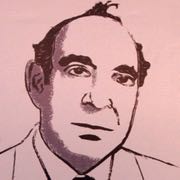
Krishan Chander (23 November 1914 – 8 March 1977) was an Indian Urdu and Hindi writer of short stories and novels. He also worked on English. He was a prolific writer, penning over 20 novels, 30 collections of short stories and scores of radio plays in Urdu, and later, after partition of the country, took to writing in Hindi as well. He also wrote screen-plays for Bollywood movies to supplement his meagre income as an author of satirical stories. Krishan Chander's novels (including the classic : Ek Gadhe Ki Sarguzasht, trans. Autobiography of a Donkey) have been translated into over 16 Indian languages and some foreign languages, including English.
His short story "Annadata" (trans: The Giver of Grain – an obsequious appellation used by Indian peasants for their feudal land-owners), was made into the film Dharti Ke Lal (1946) by Khwaja Ahmad Abbas – which led to his being offered work regularly as a screenwriter by Bollywood, including such populist hits as Mamta (1966) and Sharafat (1970). He wrote his film scripts in Urdu.
Early life and education
Chander was born in Bharatpur, Rajasthan where his father worked as a doctor. The family originally belonged to Wazirabad District Gujranwala, of undivided Punjab, British India. Chander spent his childhood in Poonch, in the state of Jammu and Kashmir, where his father worked as the physician of Maharaja Poonch. His novel Shakast (Defeat) is related to Kashmir's partition. Mitti Ke Sanam one of his most popular novel is about the childhood memories of a young boy who lived with his parents in Kashmir. His another memorable novel is "Gaddar", which is about the partition of India and Pakistan in 1947. In this novel, he brilliantly picturised the sufferings of the people during that time through a selfish young man's feelings, who himself was a gaddar (betrayer). His short stories are the stories of Kashmiri villages, as well as those of displaced expatriates and rootless urban man. He used Pahari (dialect of people living in Poonch) words while writing in Urdu.
In the 1930s he studied at Forman Christian College and edited the English section of the college house magazine, and was at that time interested in English writings. As the then editor of the Urdu section of the magazine, Mehr Lal Soni Zia Fatehabadi was instrumental to his career in having got published, in the year 1932, Chander's first Urdu short story, "Sadhu".
Career
His literary masterpieces on the Bengal famine and the savagery and barbarism that took place at the time of the partition of India in 1947 are some of the finest specimens of modern Urdu literature, but at other times too he continued relentlessly to critique the abuse of power, poverty and the suffering of the wretched of the earth; but above all he never stopped protesting casteism, fanaticism, communal violence and terror. He was a humanist and a cosmopolitan.
Books written by Krishan Chander
He has been described as the "author of more than 100 books including novels, collections of short stories, plays, fantasies, satires, parodies, reportages, film-scripts and books for children", which include:
Novels:
- jamun ka ped
- shikast
- Jab Khet Jagay
- Toofaan Ki KaliyaaN
- Dil Ki WaadiyaaN So GayiN
- Aasmaan Roushan Hai
- Bavan Patte
- Ek Gadhe Ki Sarguzasht
- Ek Aurat Hazaar Deewanay
- Ghaddar
- Jab Khet Jage
- Sarak Wapas Jaati Hai
- Dadar Pul Ke Neechay
- Barf Ke Phool
- Borban Club
- Meri Yaadon
Ke Chinaar
- Gadhay Ki Wapasi
- Chandi Ka Ghaao
- Ek Gadha Nefa Mein
- Hong Kong Ki Haseena
- Mitti Ke Sanam
- Zar GaoN Ki Raani
- Ek Voilon Samundar Ke Kinare
- Dard Ki Nahar
- London Ke Saat Rang
- Kaghaz Ki Naao
- Filmi Qaaida
- Panch Loafer
- Panch Loafer Ek Heroine
- Ganga Bahe Na Raat
- Dusri Barfbari Se Pahlay
- Gwalior Ka Hajjam
- Bambai Ki Sham
- Chanda Ki Chandni
- Ek Karor Ki Botal
- Maharani
- Pyar Ek Khushbu
- MasheenoN Ka Shahr
- Carnival
- Aayine Akelay Hain
- Chanbal Ki Chanbeli
- Uska Badan Mera Chaman
- Muhabbat Bhi Qayamat Bhi
- Sone Ka Sansaar
- SapnoN Ki Waadi
- Aadha Raasta
- Honolulu Ka Rajkumar
- SapnoN Ki Rahguzarein
- Footpath Ke Farishtay
- Aadhe Safar Ki Poori Kahani
Short Story Collection
- Tilism E Khayal
- Nazaray
- Hawai Qilay
- Ghunghat Mein Gori Jalay
- Tootay Hue Taaray
- Zindagi Ke Mor Per
- Naghmay Ki Maut
- Purane Khuda
- Ann Daata
- Teeh Ghunday
- Hum Wahshi Hain
- Ajanta Se Aagay
- Ek Girja Ek Khandaq
- Samunder Door Hai
- Shikast Ke Baad
- Naye Ghulam
- Main Intezaar Karunga
- Mazaahiya Afsaanay
- Ek Rupiya Ek Phool
- Eucalyptus Ki Daali
- Hydrogen Bomb Ke Baad
- Naye Afsaanay
- Kaab Ka Kafan
- Dil Kisi Ka Dost Nahi
- Muskuraane Waaliyan
- Krishn Chander Ke Afsaanay
- Sapnon Ka Qaidi
- miss nanital
- DaswaaN Pul
- Gulshan Gulshan Dhundha Tujhko
- Aadhe Ghante Ka Khuda
- Uljhi Larki Kaalay Baal
Death and legacy
Chander married Salma Siddiqui. He died working at his desk in Mumbai on 8 March 1977. He had just started to write a satirical essay entitled Adab baray-e-Batakh (Literature for a duck), and wrote just one line Noorani ko bachpan hi se paltoo janwaron ka shauq tha. Kabootar, bandar, rang barangi chiriyaan… (since childhood Noorani was fond of pet animals such as pigeons, monkeys, multi-coloured birds…) but before he could complete the sentence he succumbed to a massive heart attack.
A Fountain Park in [Poonch] City of J&K(India) has been renamed to Krishan Chander Park Poonch in his memory. His statue has also been erected in the middle of the garden.
Krishan Chander Chopra had married twice. His first wife was Vidyawati Chopra. They had total three children from the wedlock. Two daughters and one son.