EOW

Frequently asked questions
FAQ
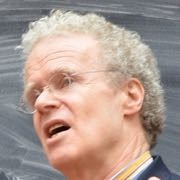
Who is Erik Olin Wright?
Erik Olin Wright was an American sociologist and Marxist scholar. He was known for his work on class analysis, social stratification, and the concept of transformative social science.
What was Erik Olin Wright's academic background and career?
Wright obtained his Ph.D. in sociology from the University of California, Berkeley in 1976. He went on to work as a professor of sociology at the University of Wisconsin–Madison until his retirement in 2018. Throughout his career, he published numerous books and articles on topics related to social class and inequality.
What were some key contributions of Erik Olin Wright to sociology?
Wright made significant contributions to the field of sociology, particularly in the areas of class analysis and social transformation. He developed a conceptual framework known as "real utopias," which explored innovative ways to create a more egalitarian and sustainable society. He also proposed the concept of "contradictory class locations," challenging traditional notions of class and highlighting the complexities of social stratification.
Did Erik Olin Wright identify as a Marxist?
Yes, Erik Olin Wright identified as a Marxist scholar. He drew heavily from Marxist theory in his sociological analyses but also incorporated elements from other theoretical perspectives. Wright viewed Marxism as a valuable framework for understanding social inequality and advocating for transformative social change.
What is the legacy of Erik Olin Wright?
Erik Olin Wright's intellectual contributions have had a lasting impact on the field of sociology. His work continues to shape discussions on class analysis, social stratification, and the possibilities for achieving a more just and equitable society. Additionally, Wright's innovative ideas around "real utopias" and transformative social science provide valuable insights for those seeking alternatives to existing systems of inequality.