
Introduction
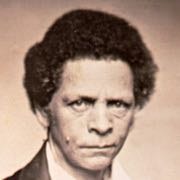
Augustus Washington (c. 1820–1821 – June 7, 1875) was an American photographer and daguerreotypist. He was born in New Jersey as a free person of color and immigrated to Liberia in 1852. He is one of the few African-American daguerreotypists whose career has been documented.
Biography
He was born in Trenton, New Jersey, as the son of a former slave and a woman of South Asian descent. He studied at Oneida Institute in Whitesboro, New York and the Kimball Union Academy before entering Dartmouth College in 1843. He learned making Daguerreotypes during his first year to finance his college education, but had to leave Dartmouth College in 1844 due to increasing debts. He moved to Hartford, Connecticut, teaching black students at a local school and opening a Daguerrean studio in 1846.
Washington made the decision to emigrate to Liberia in 1852. It took him a year to save up enough money to travel, and he moved in 1853 with his wife and his two small children. He wanted to move to Liberia because he believed African Americans should leave the United States and start their own colony in Africa where they would not be discriminated against and would enjoy equal rights. The American Colonization Society started the process of moving African Americans to Liberia and help fund the colony. Washington opened a Daguerrean studio in the capital Monrovia in 1853 and also traveled to the neighboring countries Sierra Leone, Gambia and Senegal. He later gave up his photographic work and became a sugarcane grower and politician, serving in both the House of Representatives and the Senate. He served as Speaker of the House of Representatives from 1865 to 1869. He died in Monrovia in 1875.
Works
Portrait of Chancy Brown, sergeant-at-arms for the Senate of Liberia.

Portrait of Joseph Jenkins Roberts, the first and seventh president of Liberia.

Portrait of Urias McGill, a merchant in Monrovia.
John Brown in 1846 or 1847.